As universities deepen their commitment to digital fluency and multimodal learning, visual creation tools have become essential to how students and faculty communicate ideas, analyze data, and design research artifacts. The emergence of Microsoft’s AI-powered image-generation suite—spanning classroom productivity platforms, creative design tools, and newly developed in-house models—illustrates how industry advancements are shaping academic practice. This evolution aligns with broader institutional priorities to support accessible, evidence-rich, and collaborative modes of scholarship.
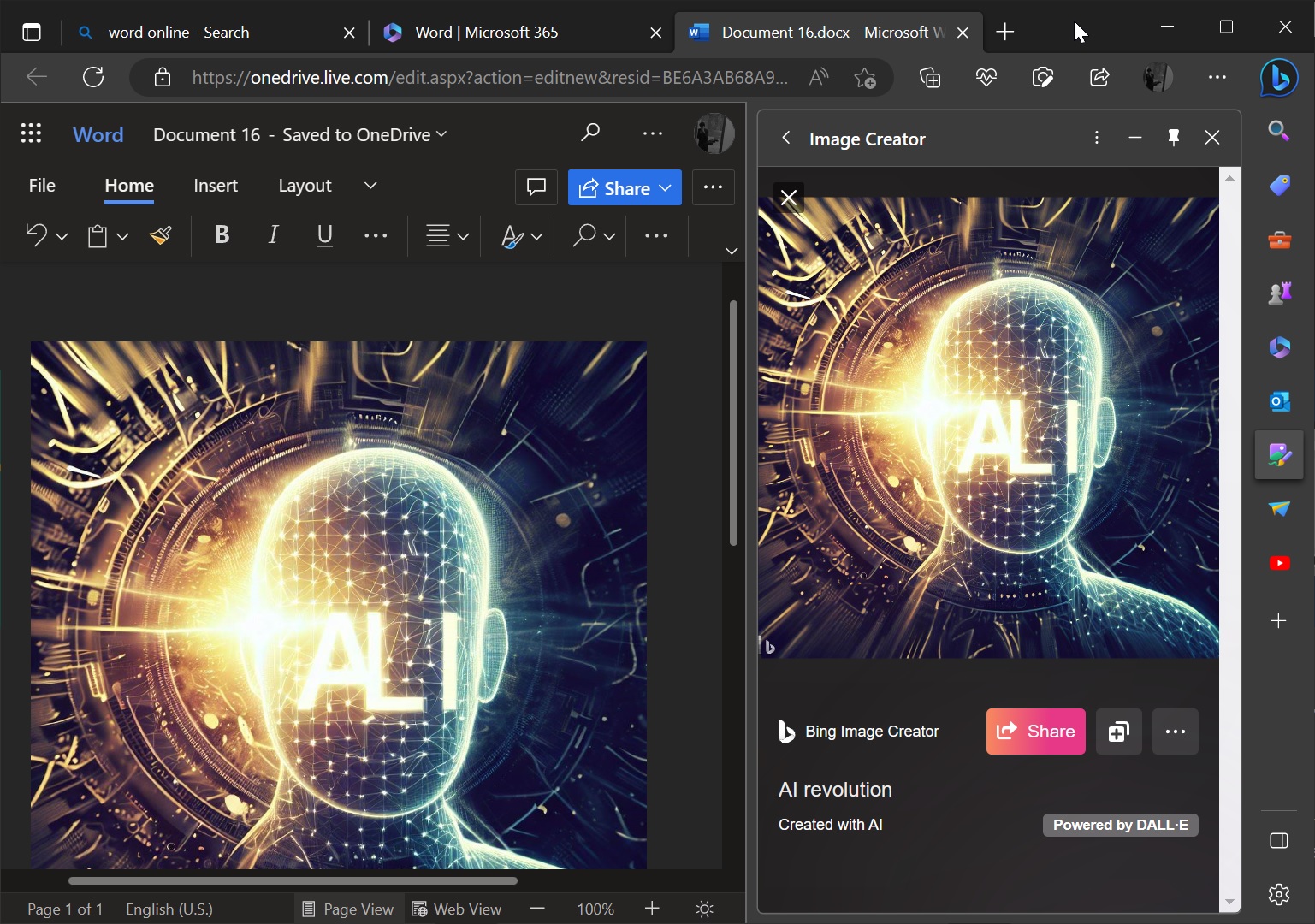
Microsoft’s ecosystem now includes several tools that translate natural-language prompts into high-quality imagery within widely used academic workflows. The Copilot integration within Microsoft 365 enables instant visual generation embedded directly in writing, planning, and collaboration environments; more information is available at Microsoft 365 Image Generator. Microsoft Designer extends these capabilities with a dedicated interface for producing graphics, posters, and digital exhibits tailored to course assignments and public-facing research; details appear at Microsoft Designer. These platforms, used daily for document creation and communication, reduce friction by placing generative capabilities where students and faculty already work.
Recent model developments reflect significant advances in quality and performance. Microsoft’s in-house system, MAI-Image-1—now deployed in products such as Bing Image Creator—has been publicly recognized for entering the top tier of contemporary text-to-image models. The company also highlights seamless generation from text and uploaded images, enabling rapid prototyping of visuals for fieldwork, design studios, and data-driven courses. Meanwhile, user-facing features such as instant remixing through Copilot’s Imagine interface support iterative learning and creative experimentation at scale.
Faculty across disciplines are incorporating these tools into authentic learning contexts. In a course on digital communication, students use Case Reference: microsoft ai image generator to develop comparative visualizations of scientific concepts. By analyzing how variations in composition, color, and framing influence audience interpretation, learners gain deeper insight into the specificity and responsibility inherent in visual argumentation. Instructors report that these activities strengthen students’ analytical reasoning and enhance their understanding of how images shape scholarly and public narratives.
Looking ahead, universities are aligning Microsoft’s tools with strategic priorities in AI literacy, academic integrity, and responsible AI. Policies guiding the attribution and contextualization of generated images are becoming integral to research ethics and course design. Faculty-development programs are preparing instructors to use these tools thoughtfully, ensuring that generative systems complement human creativity rather than supplant it. As institutions invest in multimodal learning, teacher development, and scholarly collaboration, Microsoft’s image-generation technologies are poised to play a central role in fostering visually fluent, critically engaged, and future-ready academic communities.